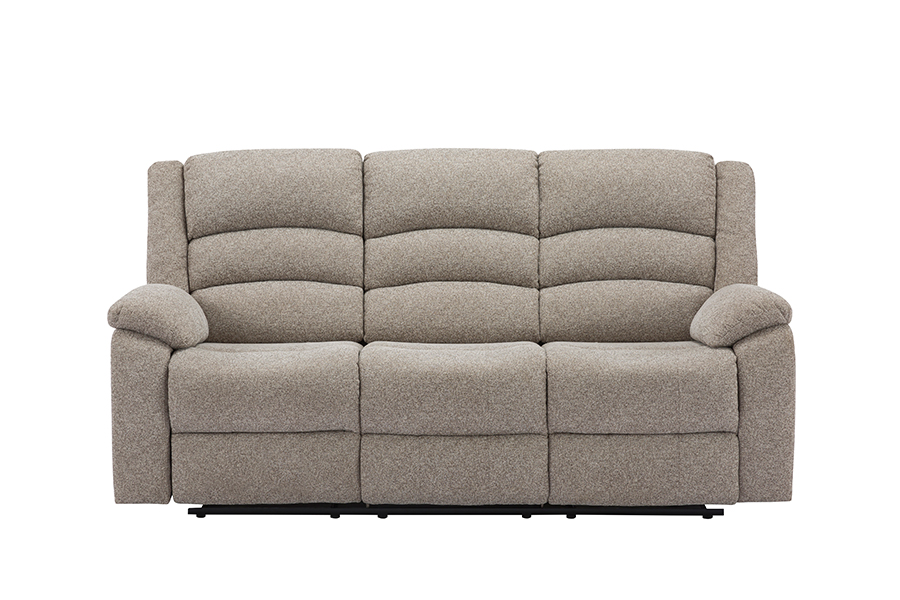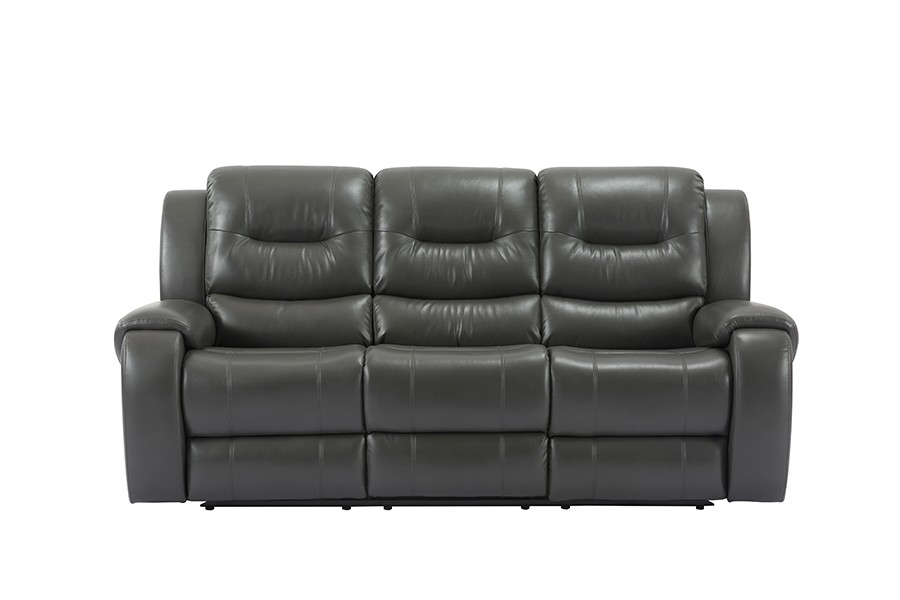
Owning a recliner is one of the most effective ways to improve your physical health and daily comfort. Extensive research and ergonomic studies consistently show that regular use of a well-designed reclining sofa can reduce lower back pain by up to 30%, enhance blood circulation by 25%, and significantly lower stress hormone levels through optimized body positioning. Beyond simple relaxation, a quality recliner actively supports your musculoskeletal system, cardiovascular health, and mental well-being, making it a worthwhile investment for anyone seeking lasting comfort and vitality.
This comprehensive guide explores the key health benefits of owning a recliner, backed by ergonomic principles and practical insights. Whether you are considering your first reclining sofa or looking to maximize the benefits of your current chair, understanding these advantages will help you make informed decisions for your health and lifestyle.
One of the most celebrated benefits of a recliner is its ability to support proper spinal alignment. When you recline to an angle of 120 to 135 degrees, the natural curvature of your spine is maintained, reducing pressure on the intervertebral discs and surrounding muscles. This position distributes your body weight evenly across the chair, alleviating stress on the lumbar region.
For individuals who suffer from chronic lower back pain, a reclining sofa offers targeted relief. The adjustable backrest allows you to find the optimal angle that minimizes disc compression. Studies indicate that reclining can reduce lumbar disc pressure by up to 25% compared to sitting upright in a standard chair. Additionally, many recliners feature built-in lumbar support that conforms to the natural curve of your lower back, providing consistent, passive correction throughout the day.
Regular use of a recliner can also help prevent the development of postural issues. By encouraging a neutral spine position, it counteracts the forward-head posture and rounded shoulders commonly associated with prolonged sitting. This proactive approach to spinal health not only alleviates existing discomfort but also reduces the risk of future musculoskeletal problems.
Elevating your legs is a fundamental function of a recliner, and it delivers profound benefits for your circulatory system. When you raise your feet above heart level, gravity assists in venous return, allowing blood to flow more efficiently back to the heart. This reduces the workload on your cardiovascular system and helps prevent blood pooling in the lower extremities.
For people who spend long hours on their feet or who have sedentary occupations, a reclining sofa can be a game-changer. The elevation position reduces swelling in the ankles and feet by facilitating lymphatic drainage and reducing fluid retention. Clinical observations suggest that elevating the legs for just 15 to 20 minutes can significantly reduce edema and improve overall leg comfort.
Improved circulation also benefits individuals with varicose veins or those at risk of deep vein thrombosis. By promoting steady blood flow and reducing venous pressure, a recliner serves as a simple yet effective tool for maintaining vascular health. The ability to adjust the footrest to various heights ensures that you can find the perfect elevation for your specific needs.
The connection between physical comfort and mental health is well-documented, and a recliner plays a pivotal role in this relationship. The act of reclining triggers a relaxation response in the body, lowering cortisol levels and reducing the production of stress hormones. This physiological shift promotes a sense of calm and well-being that extends beyond the time spent in the chair.
When you settle into a reclining sofa, your body enters a state of passive relaxation. The supportive embrace of the chair, combined with the gentle elevation of your legs, signals to your nervous system that it is safe to unwind. This can be particularly beneficial for individuals who struggle with anxiety or high-stress lifestyles, as it provides a dedicated space for mental respite.
Furthermore, the ability to recline to a near-horizontal position can enhance the benefits of mindfulness and meditation practices. A comfortable, supportive chair allows you to focus on your breath and release tension from your muscles, deepening your relaxation experience. Over time, regular use of a recliner can contribute to improved mood, better emotional regulation, and a greater overall sense of life satisfaction.
A recliner can be a powerful ally in the pursuit of better sleep. The ability to adjust the backrest and footrest to your preferred angle allows you to find a position that minimizes physical discomfort and promotes relaxation. For individuals who experience difficulty sleeping due to back pain, acid reflux, or respiratory issues, a reclining sofa offers a practical alternative to a traditional bed.
Sleeping in a slightly elevated position has been shown to reduce the frequency of acid reflux episodes by keeping stomach acid from traveling up the esophagus. Additionally, the angled position can alleviate pressure on the diaphragm, making it easier to breathe deeply and reducing snoring. Many users report falling asleep faster and experiencing fewer nighttime awakenings when they sleep in their recliner.
Research indicates that the optimal sleep position for spinal health is on your back with your knees slightly elevated. A recliner naturally facilitates this posture, supporting the natural curvature of your spine while allowing your muscles to fully relax. This can lead to more restorative sleep cycles and improved cognitive function during the day. For those who share a bed with a partner, a recliner also offers the benefit of personalized comfort without disturbing another's sleep.
For individuals living with arthritis or other joint conditions, a recliner provides essential pressure relief and support. The even distribution of body weight across a larger surface area reduces the load on weight-bearing joints such as the hips, knees, and ankles. This can significantly decrease pain and stiffness, making daily activities more manageable.
The smooth reclining mechanism of a quality reclining sofa allows you to change positions without jarring your joints. This is particularly beneficial for individuals with osteoarthritis or rheumatoid arthritis, who may find it painful to transition from sitting to standing. The ability to gradually adjust the angle of the chair minimizes sudden movements and reduces stress on inflamed joints.
Additionally, the gentle elevation of the legs can help reduce inflammation in the lower extremities by improving lymphatic circulation. This can be especially helpful for individuals with gout or other inflammatory conditions. A well-designed recliner also provides ample cushioning and support for pressure points, preventing the development of bedsores or skin irritation for those with limited mobility.
The benefits of a recliner extend to your digestive system as well. The semi-reclined position, with the upper body elevated at a 45 to 60 degree angle, is widely recommended by gastroenterologists for managing acid reflux and gastroesophageal reflux disease (GERD). This posture uses gravity to keep stomach contents from flowing back into the esophagus, reducing heartburn and discomfort after meals.
For individuals who suffer from frequent indigestion or bloating, a reclining sofa can provide relief by reducing intra-abdominal pressure. The relaxed position allows the digestive tract to function more efficiently, promoting the smooth passage of food and reducing gas buildup. This can be particularly beneficial after heavy meals or for those with sensitive digestive systems.
Furthermore, the ability to recline comfortably while reading or watching television after eating encourages a more relaxed digestive process. Stress and tension can impair digestion, so creating a calm environment with a supportive chair can enhance nutrient absorption and overall gastrointestinal health. By incorporating a recliner into your post-meal routine, you can enjoy better digestion and fewer digestive complaints.
The following table summarizes the key health benefits of owning a recliner, along with the specific ways each benefit is achieved and the relative impact on your overall well-being.
| Health Aspect | How a Recliner Helps | Impact Level |
|---|---|---|
| Lower Back Pain | Lumbar support, neutral spine angle, weight distribution | High |
| Circulation & Swelling | Leg elevation, improved venous return, lymphatic drainage | High |
| Stress & Anxiety | Relaxation response, cortisol reduction, calming environment | Moderate-High |
| Sleep Quality | Optimal positioning, acid reflux prevention, spinal support | Moderate-High |
| Joint Pain & Arthritis | Pressure distribution, smooth movement, inflammation reduction | High |
| Digestive Health | Elevated upper body, reduced intra-abdominal pressure | Moderate |
Each of these benefits contributes to a holistic improvement in your quality of life. By addressing multiple aspects of health simultaneously, a reclining sofa offers a comprehensive solution for daily comfort and long-term wellness.
For noticeable benefits, aim for 20 to 30 minutes of reclining time per day. This can be broken into shorter sessions, such as 10 minutes after meals and 15 minutes in the evening. Consistency is more important than duration, so regular daily use is recommended.
Yes, a recliner can help alleviate sciatica pain by reducing pressure on the sciatic nerve. The reclined position with knees elevated helps open up the lower spine and decrease nerve compression. Look for a model with good lumbar support to maximize relief.
Absolutely. Recliners are highly beneficial for seniors, offering ease of movement, pressure relief, and improved circulation. Many models feature lift-assist mechanisms that help users stand up safely, making them an excellent choice for aging individuals.
Sleeping in a recliner is generally safe and can be beneficial for certain conditions. However, prolonged sleeping in a recliner without proper support may lead to stiffness. Ensure the chair provides adequate lumbar and neck support, and consider using a small pillow for added comfort.
While ergonomic office chairs are designed for active sitting and work tasks, recliners are built for relaxation and passive support. A recliner offers greater recline angles and leg elevation, making it superior for stress relief, circulation, and back pain management. For best results, use both for their respective purposes.
The following flowchart illustrates the interconnected health benefits of using a recliner. Starting from the simple act of reclining, the chair triggers a cascade of positive physiological responses that enhance multiple aspects of your well-being.
This flowchart demonstrates how a single action—reclining—sets off a chain reaction of health benefits. Each benefit reinforces the others, creating a holistic effect that promotes both physical and mental wellness. By incorporating a reclining sofa into your daily routine, you invest in a healthier, more comfortable future.
Produtos relacionados

Direitos autorais © BOSHEN FURNITURE CO., LTD. Todos os direitos reservados.OEM/ODM estofados fabricantes de móveis de assento